
PROFESSIONAL MOULD REMOVAL & DAMP PROOFING SERVICES
Providing expert mould remediation in London and the Home Counties. for homeowner, landlords and local businesses. Call us today: 01923 517 010
Get Help with Mould and Damp Today
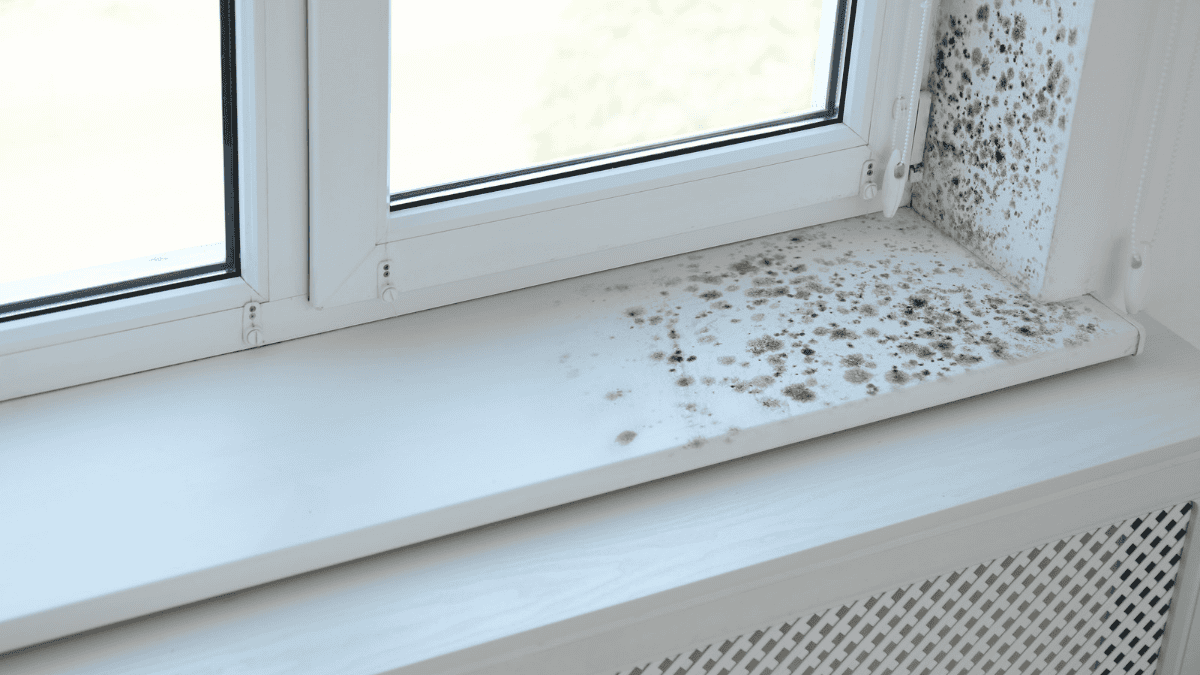
Are you noticing dark patches on your walls, a musty smell in your rooms, or peeling wallpaper? Damp and mould are more than just unsightly; they are a risk to your property’s structural integrity and your family’s health.
At Blue A, we don’t just wipe away the problem; we identify the root cause. Our expert team provides comprehensive damp proofing and mould remediation services designed to eradicate the issue for good, leaving your home safe, dry, and healthy.
We cover a range of properties when it comes to removing mould, including houses, flats, commercial and retail units and outbuildings.
Our mould removal and damp proofing includes all walls, floors and ceilings, and does not include soft furnishings.
If you're based in London, Hertfordshire, and other Home Counties, we offer mould removal and damp proofing in your areas.
Get in Touch to Learn More
The Hidden Dangers of Damp and Mould
Ignoring damp and mould is a costly mistake. If left untreated, these issues spread rapidly and can cause severe long-term damage on two fronts:
Risks to Your Health
Mould spores are microscopic and become airborne easily. Inhaling them regularly can lead to serious health complications, particularly for children, the elderly, and those with pre-existing conditions.
-
Respiratory Issues: Prolonged exposure can trigger asthma attacks, chronic coughing, and wheezing.
-
Allergic Reactions: Symptoms include sneezing, red eyes, skin rashes, and sinus congestion.
-
Immune System Suppression: Certain types of toxic mould (like Stachybotrys chartarum, or "black mould") produce mycotoxins that can lead to severe neurological and immune system disorders over time.
Damage to Your Property
Damp is a silent destroyer of building materials.
-
Structural Decay: Penetrating and rising damp can rot timber frames, floorboards, and skirting boards, leading to expensive structural repairs.
-
Aesthetic Ruin: Plaster crumbles, paint blisters, and wallpaper peels away, destroying your interior decoration.
-
Decreased Property Value: A property with a known damp problem is significantly harder to sell and can lose thousands in market value.
How We Eradicate Damp and Mould
We don't believe in quick fixes. Painting over mould or using off-the-shelf bleach only hides the problem temporarily. At Blue A, we use a targeted, multi-stage approach to guarantee long-term results.
Identifying the Root Cause
Comprehensive Property Survey
Our experts conduct a thorough assessment of your property using advanced moisture mapping tools. We determine whether you are dealing with rising damp, penetrating damp, or condensation-driven mould.
Source Elimination
Before treating the symptoms, we stop the source. This might involve repairing external masonry, fixing leaky gutters, or addressing internal ventilation failures that are trapping moisture inside.
Using Professional-grade Biocides.
Safe Mould Eradication
We safely remove all traces of mould using industry-certified biocidal washes. This deep-cleaning process penetrates the porous surfaces of your walls to kill the microscopic roots of the mould, not just the visible surface spores.
Damp Proofing Installation
Depending on the diagnosis, we apply the appropriate damp proofing solution. This can include injecting a new damp proof course (DPC) into your masonry, applying waterproof tanking slurry to vulnerable walls, or installing specialized cavity drain membranes.
Providing a Long-term Solution
Plastering and Finishing
Contaminated plaster is removed and replaced with specialist salt-retardant and waterproof plaster. This ensures that any residual ground salts cannot reach the surface and ruin your newly decorated walls.
How to Prevent Damp and Mould from Returning
While our damp proofing guarantees protection against structural moisture, condensation is a daily battle in UK homes. Here is how you can help keep your indoor environment moisture-free:
-
Improve Ventilation: The number one cause of black mould is trapped moisture. Ensure extractor fans are used in bathrooms and kitchens, and try to open windows daily to create cross-ventilation.
-
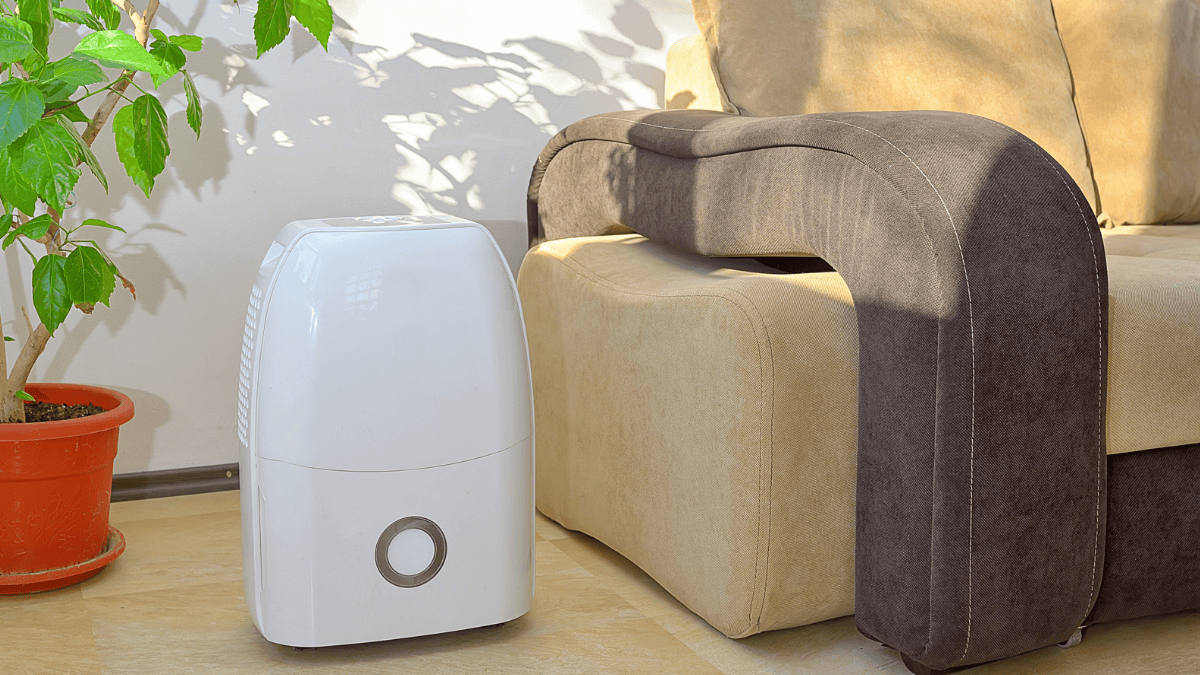
Rethink Laundry: Avoid drying wet clothes on radiators. If you must dry clothes indoors, use a well-ventilated room with the door closed and a window slightly ajar, or use a dehumidifier.
-
Maintain Consistent Heating: Cold walls attract condensation. Keeping your heating on a low, consistent setting during winter prevents the sharp temperature drops that cause moisture in the air to turn into water droplets on your walls.
-
Clear Your Gutters: Blocked gutters cause rainwater to spill over and saturate your external brickwork, eventually leading to penetrating damp. Have them cleared at least once a year.

Why Choose Blue A for Mould Removal and Damp Proofing?
When you choose Blue A for your damp proofing and mould removal needs, you are choosing peace of mind.
Don't let damp and mould take over your home.
The longer you wait, the harder and more expensive it becomes to fix. Contact Blue A today for a professional consultation and take the first step toward a dry, healthy property.
What Sets Blue A Apart When it Comes to Mould removal?
Blue A Ltd has a history of being one of the premier asbestos specialists in the South East. Over the years we have built a reputation in the industry for closely following health and safety guidelines when removing and eliminating asbestos in the built environment, whilst maintaining a high quality standards when working with customers and clients.
As a result of Blue A taking all precautions when working with asbestos, and alongside training staff to be the best in the asbestos sector, we have heavily invested in machinery to remove all airborne asbestos. One particular machine is the NPU (Negative Pressure Unit), which can be used to fully eliminate mould particles internally.
What is an NPU and How Can it Help With Mould?
When mould is disturbed during the removal process, millions of microscopic spores are released into the air. If not strictly controlled, these spores will drift through your hallways and settle in other rooms, simply moving your mould problem from one part of the house to another.
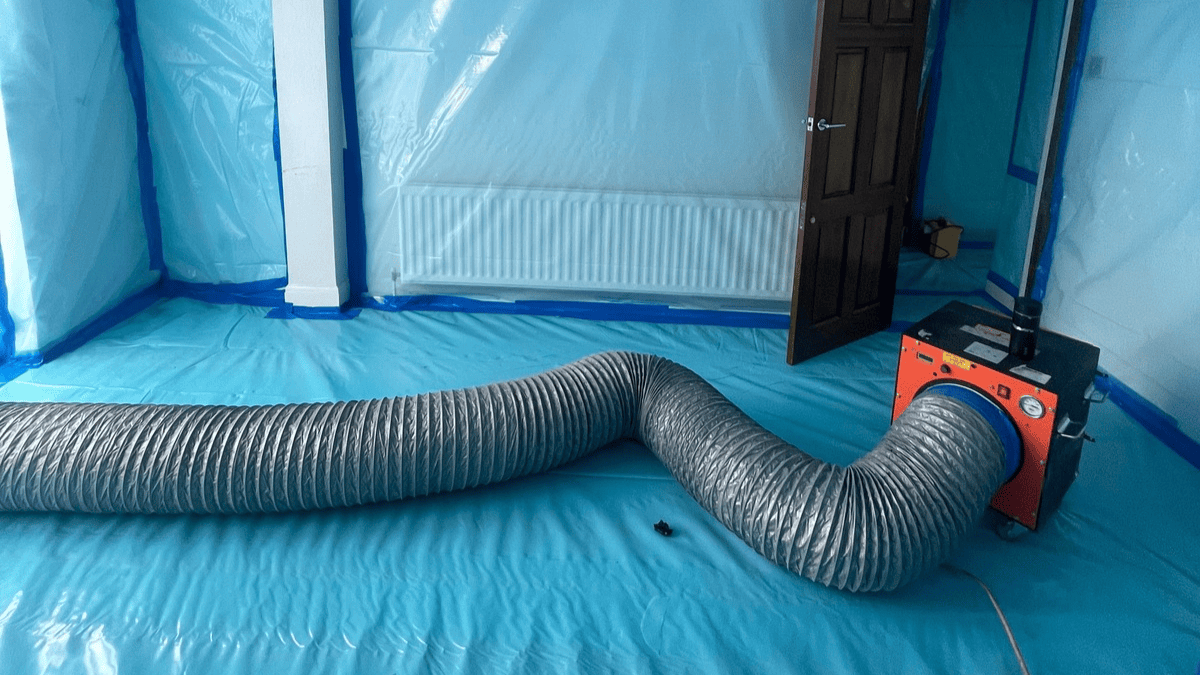
To guarantee this never happens, Blue A uses industrial-grade Negative Pressure Units (NPUs) during our remediation process. Here is what they are, how they work, and why they are the gold standard in safe mould removal.
What is a Negative Pressure Unit?
Simply put, an NPU is a heavy-duty, highly specialised air extraction machine. It continuously pulls contaminated air out of the work area, pushes it through medical-grade HEPA (High-Efficiency Particulate Air) filters, and exhausts clean air outside.
By pulling air out of the room faster than it can leak in, the machine creates a "vacuum effect" (negative pressure) inside the treated room.
The Results: Complete Peace of Mind
The result of using an NPU is absolute containment. You do not have to worry about cross-contamination. While our operatives safely eradicate the mould in one room, the rest of your property, and the air your family is breathing, remains completely untouched and pristine.
Why NPUs Are Superior to Standard Air Filtration
Many budget contractors or DIYers simply run standard air purifiers or "air scrubbers" in the room while they work. While these devices filter air, they do not control the movement of the air.
How we Use NPUs During Mould Removal
Before we touch any mould, our operatives completely seal off the affected room using heavy-duty plastic sheeting and zip-door barriers. This creates a secure containment zone.
We switch on the Negative Pressure Unit. Because it constantly extracts air from the sealed room, the air pressure drops. Now, if a seal is briefly opened (like an operative walking through the door), air rushes into the containment zone, rather than contaminated air flowing out into your clean hallways.
As we treat and strip away the mould, the airborne spores are aggressively pulled into the NPU. The air passes through multiple stages of filtration, ending with a specialised HEPA filter that traps microscopic spores, dust, and mycotoxins.
The thoroughly scrubbed, purified air is safely vented out of the building. The room remains under negative pressure until the remediation is completely finished and the air is certified clean.
At Blue A, we don't cut corners on your health. By utilising Negative Pressure Units on our mould removal projects, we ensure that the problem is eliminated safely, permanently, and without putting the rest of your property at risk.
Understanding the Causes: Where Do Damp and Mould Come From?
While damp and mould are often found together, they are distinct problems with specific triggers. Understanding what causes them is the first step in protecting your property.
| Condensation | Warm, moisture-laden air (from cooking, showering, or drying clothes) hits cold surfaces like windows or uninsulated walls, turning back into liquid water. | Water droplets on windows in the morning, black mould in corners, musty smells. |
| Rising Damp | Groundwater is drawn upward through the porous brickwork of your walls via capillary action. This usually happens when your property's Damp Proof Course (DPC) has failed or was never installed. | "Tide marks" up to a metre high on ground-floor walls, crumbling skirting boards, blistering paint. |
| Penetrating Damp | Water enters from the outside of the building due to structural defects. This can be caused by leaking gutters, missing roof tiles, cracked external rendering, or faulty plumbing. | Localised damp patches on walls or ceilings that worsen during heavy rain, wet rot. |
What Causes Mould?
Mould is a type of fungus, and its microscopic spores are naturally present in the air all around us. However, these spores cannot grow and spread without one crucial element: moisture.
When mould takes over a room, it is always a symptom of an underlying moisture problem. The primary triggers include:
Excessive Indoor Humdity
When a home is poorly ventilated, daily activities like boiling the kettle or taking a hot shower push indoor humidity levels above 60%, creating the perfect breeding ground for spores.
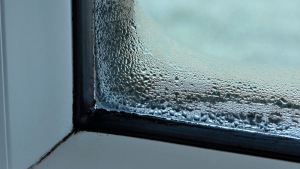
Cold Surfaces
Poorly insulated walls or single-glazed windows provide cold spots where moisture easily condenses. Mould spores settle on these damp surfaces and quickly multiply.
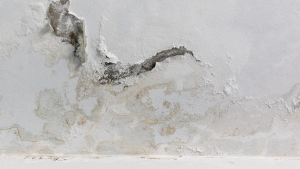
Unresolved Damp Issues
If you have untreated rising or penetrating damp, the resulting wet brickwork, plaster, and timber provide a constant supply of water and organic "food" for mould colonies to feast on.
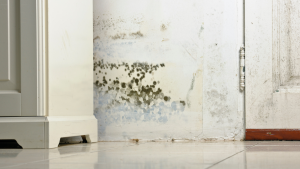
Stagnant Air
Mould thrives in dark, undisturbed areas with poor air circulation, which is why it so often appears behind large pieces of furniture pushed flush against external walls, or tucked away inside over-stuffed wardrobes.
Essential Guidance for Landlords: Navigating Damp and Mould
If you let a property in the UK, your responsibilities regarding damp and mould have never been more strictly regulated. Following tragic high-profile cases, the UK government and housing ombudsmen have completely shifted how landlords must respond to reports of mould.
It is no longer acceptable to default to blaming a tenant’s "lifestyle" (such as drying clothes indoors or not opening windows) without first conducting a thorough investigation into the property's structure and ventilation.
We partner with landlords, letting agents, and property managers to provide fast, certified damp and mould assessments. We provide full reports detailing the root cause and the required structural or ventilation fixes, ensuring your property remains compliant, safe, and tenanted.
Your Legal Obligations as a Landlord
As a landlord, you are legally required to ensure your property is safe and habitable. Key legislation includes:
-
The Homes (Fitness for Human Habitation) Act 2018: This law requires all rented properties to be "fit for human habitation" at the start of and throughout the tenancy. Severe damp and mould directly violate this act, giving tenants the right to take legal action.
-
The Landlord and Tenant Act 1985 (Section 11): You are legally responsible for repairing the exterior and structure of the property, including the roof, walls, windows, and gutters, which are common culprits for penetrating damp. You are also responsible for keeping installations for heating and water (including ventilation systems) in working order.
-
Strict Investigation Timeframes (Awaab's Law): Recent legislation mandates strict, legally binding timeframes for landlords to investigate and repair damp and mould hazards. Failing to act swiftly can result in severe financial penalties and legal action.
What to do When a Tenant Reports Mould
Protect your property investment and stay on the right side of the law by following these steps when a tenant reports an issue:
-
Respond Immediately: Acknowledge the tenant's complaint in writing as soon as possible and arrange a property visit. Speed is critical to prevent the problem from escalating.
-
Investigate the Structure First: Look for underlying causes before discussing the tenant's habits. Check for blocked gutters, failed damp proof courses, broken extractor fans, or leaky plumbing.
-
Upgrade Ventilation: If the issue is condensation-driven, you must provide the means for tenants to ventilate properly. This often means installing high-quality, positive input ventilation (PIV) systems or automated extractor fans in high-moisture areas like bathrooms and kitchens.
-
Hire the Professionals: DIY treatments and anti-mould paint will not satisfy legal requirements if the root cause remains unaddressed. Bring in damp proofing specialists to conduct a comprehensive survey and implement a permanent fix.
How Much Does Mould Removal Cost?
Although it's difficult to give a clear-cut amount for mould removal, there are many factors to consider which is why it's important that we assess the situation first. However here is what to expect:
-
Typical Treatment Estimates: Minor, localised mould removal (1–2 m²) generally ranges from £200 to £400, while treating a full room typically costs between £500 and £1,000. For comprehensive, whole-property treatments outside of London, expect costs to sit around £725 to £1,100.
-
Severe & Structural Cases: When damp has deeply penetrated your plaster or structural timber, remediation becomes more complex. These larger-scale repairs typically range from £1,500 to £5,000+, with properties in London and the South East generally seeing a 20–30% regional premium.
-
Curing the Root Cause: Simply washing away visible mould is a temporary fix—it will inevitably return unless the underlying moisture issue is resolved. A permanent, professional job always begins with identifying and eliminating the source.
-
Key Cost Variables: The final price of your damp proofing project depends on four main factors: the root cause of the moisture, the size of the affected area, the extent of the necessary structural repairs, and your regional location.
-
Ventilation Upgrades: Curing the cause of condensation often requires improving your property's airflow rather than just repainting walls. This frequently involves installing professional-grade extractor fans (typically £150–£300 fully fitted) or a Positive Input Ventilation (PIV) system (£400–£800).
-
The Value of a Damp Survey: Investing £150 to £400 in a professional damp survey before beginning any work is highly recommended. It accurately diagnoses whether you are fighting condensation, rising damp, or penetrating damp, ensuring you get the exact right treatment plan the first time.
There are several things that could affect the cost of removal; here are some of them which we will factor in when we send you a quote:
1. The Root Cause (The Most Crucial Factor) The type of damp dictating the treatment is the biggest driver of cost. Condensation is generally the most affordable to resolve, requiring only surface treatment and improved airflow. Penetrating damp requires locating and repairing external structural leaks, while rising damp often demands a new damp-proof course (DPC)—which is the most labour-intensive and costly fix. Crucially, treating surface mould without curing the underlying cause guarantees the problem will return.
2. Scale and Severity of the Mould A minor patch on a bathroom ceiling is a swift, straightforward job. However, widespread mould spanning multiple rooms, or growth that has deeply penetrated plaster and spread behind heavy furniture, requires strict environmental containment, specialist removal techniques, and significantly more labour.
3. Required Structural Repairs If prolonged dampness has rotted your plaster, skirting boards, or structural timber, these damaged materials must be safely stripped out and replaced before any decorating can begin. Specialist re-plastering and professional joinery will naturally add to the final total of the project.
4. Ventilation Upgrades When condensation is the culprit, the only permanent cure is better airflow. Installing high-quality, automated extractor fans in kitchens and bathrooms, or fitting a whole-house Positive Input Ventilation (PIV) system, is a necessary investment that stops moisture build-up and prevents mould from returning.
5. Accessibility of the Affected Area Mould hidden behind fitted kitchen units, trapped in cramped lofts, or growing on high ceilings takes longer to safely reach and treat. Awkward or restricted access extends the time our technicians spend on-site, which influences the cost.
6. Regional Price Variations As with most home improvement and property maintenance services, properties located in London and the South East generally see costs that are 20% to 30% higher than the rest of the UK due to higher regional labour rates.
What the Average Mould Removal Project Entails
Depending on the severity of the damage caused by damp and mould, we would approach the problem with goal of ensuring this doesn't happen again. One of our mould removal projects can go like this:
Assessment
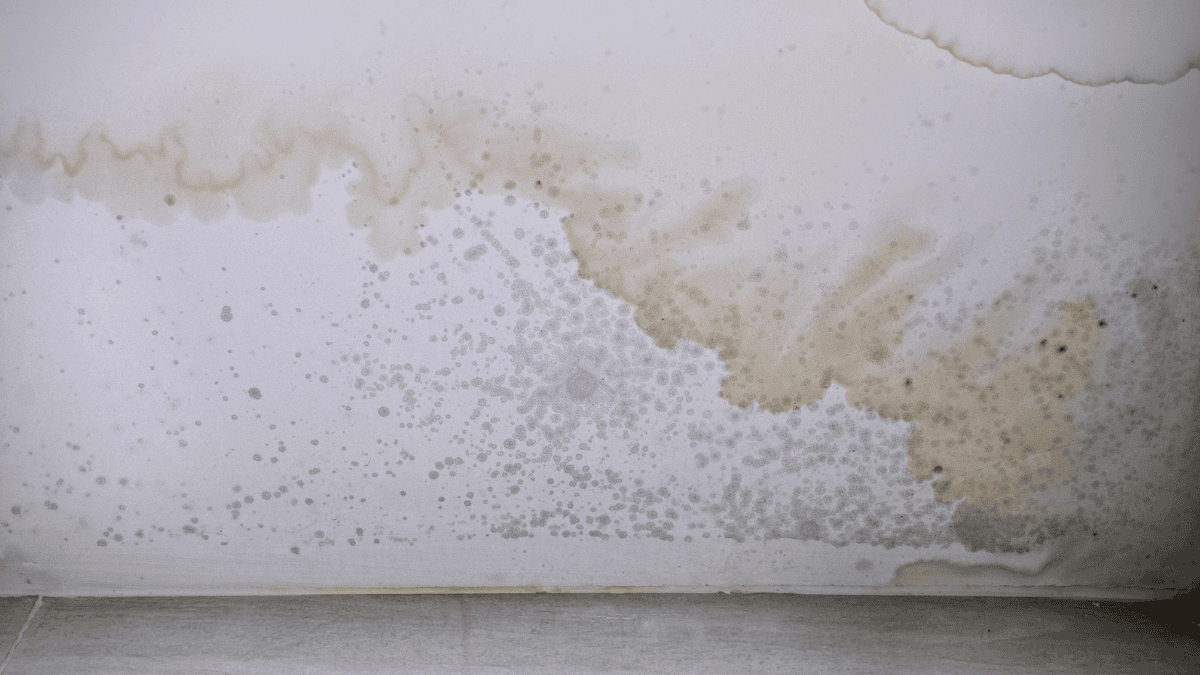
We would first take a look at the situation and identify the root cause of the mould. It may be due to poor ventilation, a burst pipe making the walls damp or something else. We'll find it, and make a plan around fixing this first.
Preparation
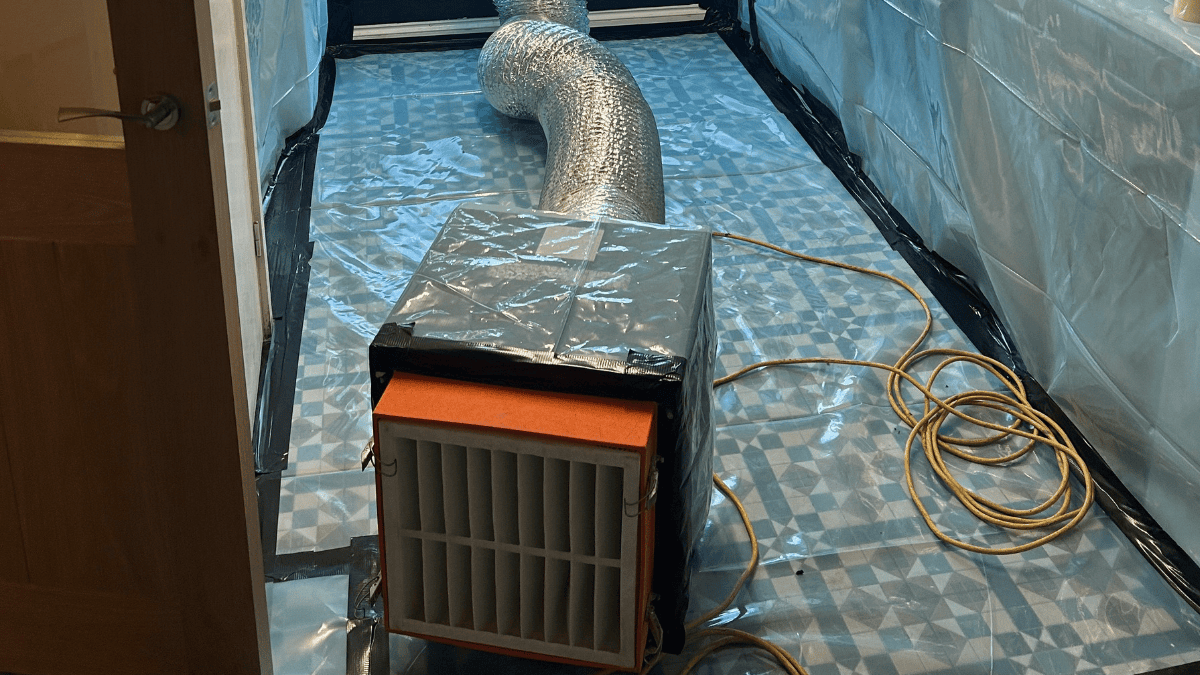
The room or property is carefully prepared, making sure to protect surfaces that aren't in the scope. So for instance, if we're working on mould caused by a leak in the ceiling, we'll cover floors and walls. We'll also install the NPU.
Removal
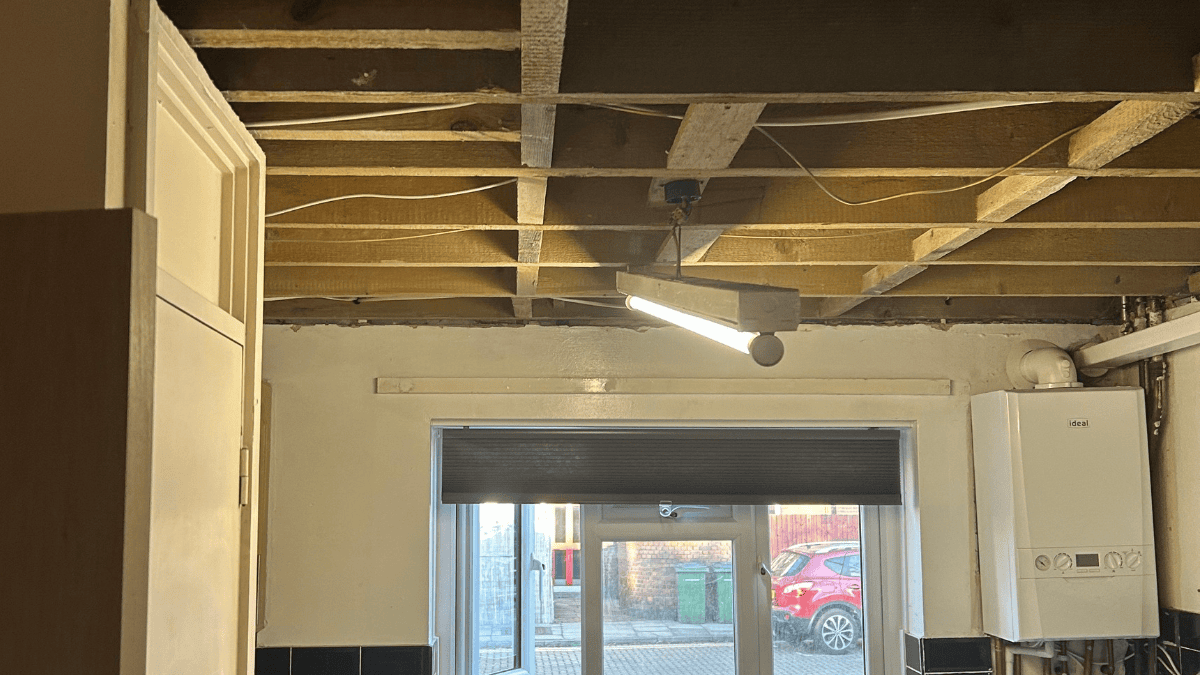
We begin to remove areas that have been affected by damp and mould, which not only includes the visible sections, but as a legal requirement up to one meter from the affected area. It may seem excessive, but in the long-term, this is the best solution to eradicate mould.
Treatment
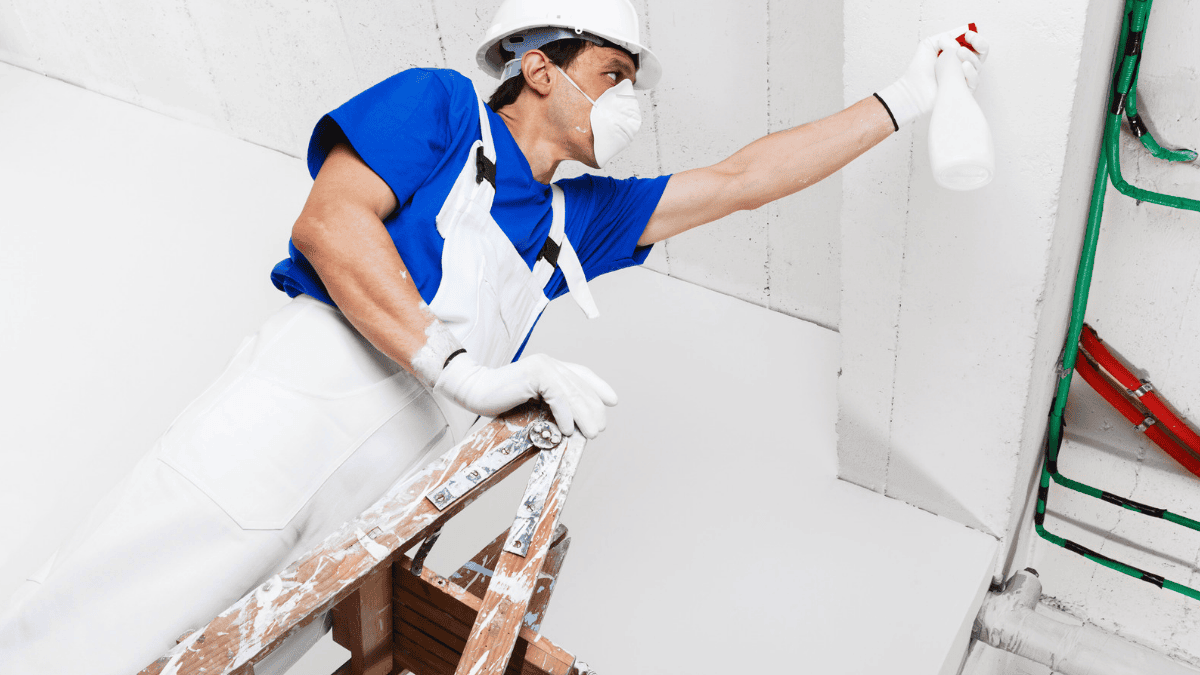
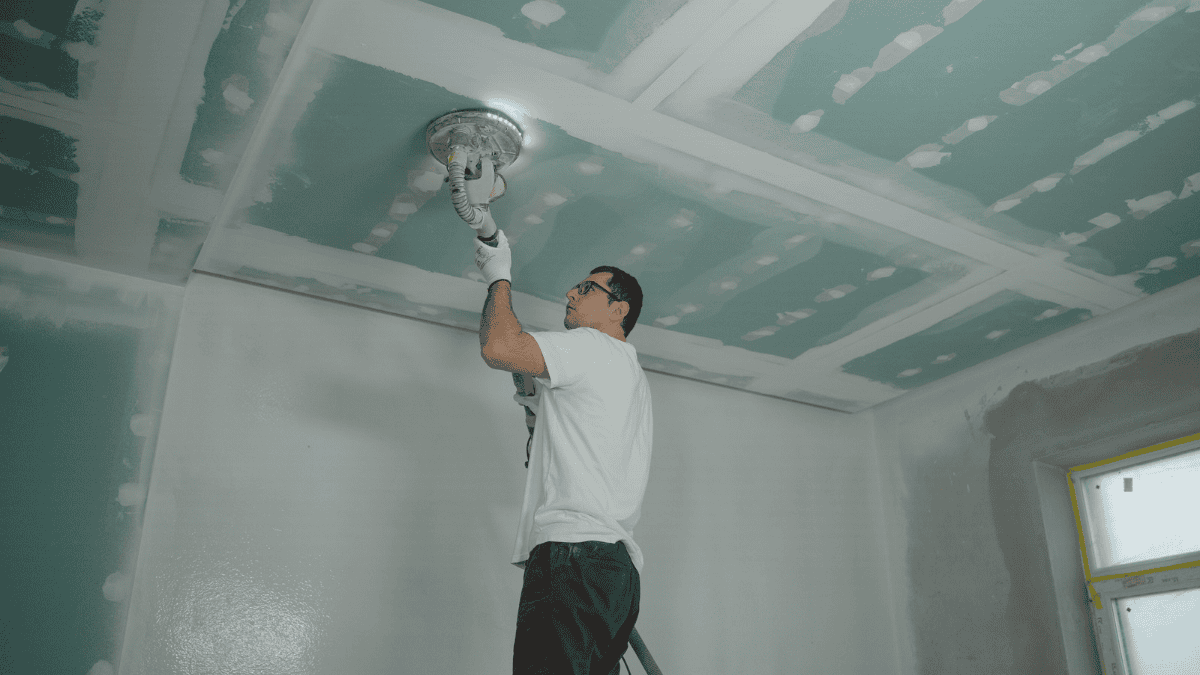
We'll treat the area with non-hazardous chemicals to eliminate and active spores, and then use a sealant to ensure that any and all leaks are prevented from seeping through. If there are any burst pipes that need fixing, we'll do that, too. After another assessment of the works, we'll begin to reinstate the floors, walls or ceilings.
Finishing
Contact Us For a Mould Removal Quote Today
If you suspect mould infestation, delaying removal and treatment could be hazardous to your well being. Get in touch today to see how we can help you with mould removal and damp proofing.